How to Reboot Your Emergency Fund Without Cutting All the FunBy Raquel Tolman on 2/12/2026How to Reboot Your Emergency Fund Without Cutting All the Fun
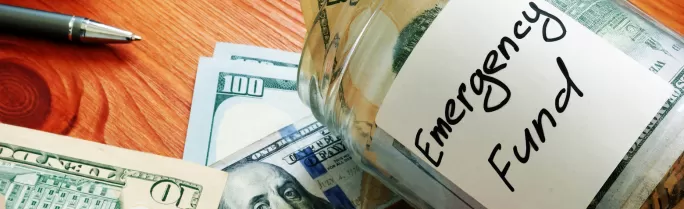
If you’ve been living paycheck-to-paycheck, you already know it can feel like walking a financial tightrope. One unexpected gust (hello, surprise car repair) and suddenly you’re wobbling. That’s where an emergency fund becomes your safety net, quietly waiting to catch you before a small stumble becomes an expensive tumble.
Contrary to popular belief, “financial responsibility” and “fun” are not mortal enemies. With a bit of intention, you can absolutely replenish your emergency cushion and preserve the little luxuries that make your day feel like your day. Here’s how to do it.
Make Your Budget Visible
You’re already taking care of the big stuff — home, car, utilities — without thinking twice. Those costs are fixed. Your real opportunities to save often hide in the small, spontaneous purchases you barely register: the soda you grab while filling up your tank, or the snack you toss into your cart for the ride home.
Everyone deserves little indulgences and rebooting your emergency fund doesn’t mean you have to eliminate them, but that money you're spending on impulse buys might be the easiest place to start. Look at your spending over the last month and see what types of discretionary spending happen most often. A simple change like cooking at home or browsing for weekly deals at your grocery store could help you free up an extra $40 to toss into your emergency fund.
And if you find that your budget is already incredibly tight, this is where “unexpected” money — like a tax refund, a bonus, or even cash from selling something you no longer need, can be the best path to helping you build your cushion.
Consider a Side Gig
The 9-to-5 grind isn’t the norm anymore. According to a recent MarketWatch survey, 54% of adults have a side-hustle, or a job in addition to their full-time gig. That number grows the younger you are: 71% of Gen Zers and 68% of millennials report having a side-hustle. Side gigs don’t have to be complicated. They can be anything from babysitting or online tutoring to selling handmade crochet projects and patterns, just like I do.
Open a Dedicated Savings Account
Building an emergency fund starts with having a place to put your money where it can grow. Our BridgeBuilder High-Yield Savings account is designed to help your money work harder for you while keeping it safe and accessible.
Automate your savings to make steady progress. Set up a small weekly or monthly transfer — $10, $25, whatever fits your budget and watch your emergency fund grow over time. Once saving becomes routine, consider increasing your contributions. These regular deposits will quietly strengthen your financial foundation while you focus on the rest of your life.
Renegotiate Your Bills
Are your monthly bills part of the reason for your financial stress? If so, they’re worth revisiting. Can you get rid of certain subscriptions? When is the last time you looked at how much you’re spending on insurance? What do you have set to auto-renew that you just don’t need anymore?
Medical bills deserve special attention. If you’re carrying a balance from past care, you’re far from alone. Hospitals and clinics often have payment flexibility many people never tap into. You can request an itemized bill to uncover errors or duplicate charges, ask for a payment plan, or a “financial assistance review,” where you can negotiate to pay less.
And remember: every question you ask, every policy you check, every bill you renegotiate is worth your time. Even shaving off $10 or $20 here and there gets you closer to a more breathable monthly budget and the fully refreshed emergency fund you’re working toward.
Final Word
Whether you’re eliminating one “treat” per week, renegotiating a bill, or setting aside a portion of a bonus for a rainy day, these actions will add up over time to help you build an emergency fund you can be proud of.
Category: Budgeting & Debt Reduction
« Return to "Blog"

.png)



























.png)
.png)



.png)

.png)
.png)
.png)