BrightBridge Credit Union

Online Banking

Forgot Username?

Forgot Password?

Register

Need Help?

Online Banking

Forgot Username?

Forgot Password?

Register

Need Help?

credit union, fraud awareness, financial scams, scam awareness, financial information
Home / News & Financial Education / How to Protect Yourself From Financial Scams
How to Protect Yourself From Financial ScamsBy Raquel Tolman on 6/30/2026

How to Protect Yourself From Financial Scams

Financial scams are becoming more sophisticated than ever, especially with the rise of AI and increased dependency on digital services. With digital banking, online shopping and instant money transfers now part of everyday life, scammers have found new ways to target people through emails, text messages, phone calls and even social media.

What makes many scams so effective is that they feel believable in the moment. Scammers know how to create urgency, imitate trusted organizations and pressure people into acting quickly before they have time to think things through.

The good news is that knowing what to look for can go a long way in helping protect your personal and financial information.


Watch Out for Urgent Requests

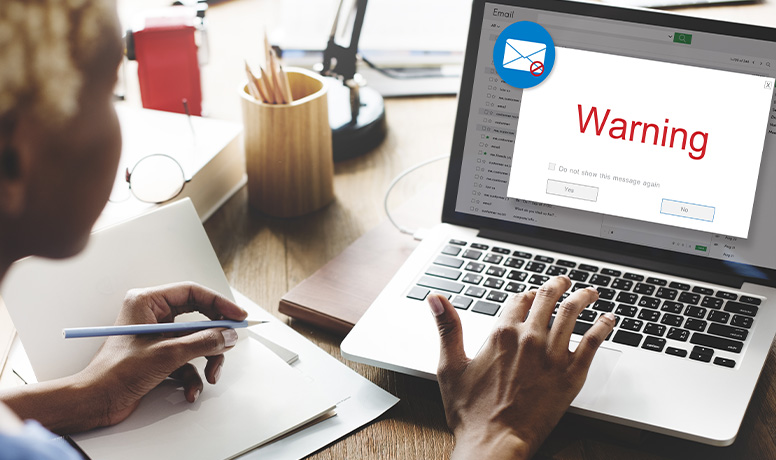
One of the most common tactics scammers use is creating a sense of urgency. You may receive messages claiming:

  • Your account has been compromised
  • Immediate payment is required
  • You must act now to avoid penalties
  • A limited-time opportunity is about to expire

In my experience, anytime something financial is designed to make you panic or rush, it’s worth slowing down and taking a second look. Legitimate businesses and financial institutions give you time to review information and make informed decisions.

If someone is pressuring you to act immediately, consider it a red flag.

Be Careful with Unexpected Messages or Calls

Scammers often pretend to be trusted organizations such as banks, government agencies, delivery companies or tech support teams.

These messages can look surprisingly convincing with the logo, phone number or email address appearing legitimate at first glance. A good habit is to avoid clicking links or calling numbers directly from unexpected messages. Instead, contact the company yourself using a verified phone number or official website.

Be Wary of Unusual Payment Requests

One major warning sign is being asked to send money using difficult-to-trace payment methods. Legitimate companies generally will not request payment through gift cards, wire transfers, cryptocurrency or payment apps sent to personal accounts.

Once money is sent through these methods, it can be extremely difficult to recover. If something about the payment request feels unusual, trust your instincts and pause before moving forward.

If It Sounds Too Good to Be True, It Probably Is

Scammers often lure people in with promises of:

  • Guaranteed returns
  • Risk-free investments
  • Fast money
  • Exclusive financial opportunities

While everyone wants a good opportunity, real investments and financial products always involve some level of risk. I’ve found that the best financial decisions are usually the ones made carefully and thoughtfully, not the ones promising instant results or unrealistic rewards.

Pay Attention to Small Details

Many scam messages look almost legitimate, but small details often reveal the truth. Watch for misspelled words, awkward grammar, suspicious links or email addresses that don’t match the company name. Even highly convincing scams usually contain subtle inconsistencies if you take a moment to look closely.

What to Do If Something Feels Off

If you’re unsure whether a message, call or offer is legitimate, don’t panic. Slow down and follow these steps:

  • Pause before responding
  • Verify the source independently
  • Contact the company directly
  • Talk it through with someone you trust

Taking a few extra minutes to verify information can help prevent a costly mistake.

The Bottom Line

Scammers rely on emotion, urgency and distraction to catch people off guard. Staying cautious, slowing down and knowing the warning signs can help you better protect your accounts and personal information. When it comes to your finances, it’s always okay to pause, ask questions and verify before taking action.

Remember that BrightBridge will never ask you to provide personal information over the phone, including debit card numbers, account numbers, passcodes or account balances. If you suspect a fraudster has contacted you, please call BrightBridge directly at (800) 356-0067 to verify whether the communication you received was legitimate. We have your back!

Learn More

  • Share:

Category: Blog Slideshow


« Return to "Blog"

You may also like:

MVCU, scams
9/7/2022

Home Warranty Scams: How to Protect Yourself

Recently, some of our members were targeted by a Home Warranty Notice scam.  This isn’t the first time this scam has been used, and it probably won’t be the last.  But don’t worry!  If you stay alert and aware, you can avoid becoming a victim.

Read more

Blog Slideshow
MVCU, lost, money, credit cards
10/27/2022

Lost and Found 

What to do if you lose your wallet or purse. Losing your wallet or purse can be a frustrating experience. Your credit cards, ID, keys and cash are all seemingly out there in the world for anyone to find. Despite the feeling of helplessness, there are ways to mitigate the damage. Here are some steps to take immediately after losing your wallet or purse.

Read more

By Chris O'SheaBlog Slideshow
MVCU, cash app, scams
10/27/2022

Smart App

How to protect yourself from cash app scams. Cash apps like Venmo, Zelle and CashApp are great for their convenience. But as with all things involving money, scammers are lurking in the shadows. Here’s how to keep yourself (and your money) safe when using cash apps.

Read more

By Chris O'SheaBlog Slideshow
MVCU, fraud, scam, financial, finances,
3/7/2024

Tips for Avoiding Financial Fraud

Financial scams are everywhere these days, so securing your bank accounts is crucial. These steps will help you stay a few steps ahead of the scammers.

Read more

By merrimackBlog Slideshow
MVCU, scam, protection, Financial Advice
6/1/2024

Protecting Yourself Against Financial Scams

In today’s digital age, protecting your personal information is more important than ever. Cybercriminals are constantly changing their tactics to exploit vulnerabilities and steal sensitive information. By taking proactive measures, you can defend yourself and your money against these threats. Here are some tips to help you protect your finances and personal data:

Read more

By merrimackBlog Slideshow
credit union, credit card, credit, debit, debit card, safety, scam,
7/25/2024

What is Card Skimming and How Can You Avoid It?

Card Skimming is a tactic that criminals use to obtain your sensitive information from your debit and credit cards. Criminals do this by installing devices on card-reading machines or other point-of-sale terminals. These devices capture and store data that the criminals use to sell or make purchases and withdrawals. Here’s what to know about card skimming and how to protect yourself.

Read more

By merrimackBlog Slideshow
credit union, holiday, scams, fraud
11/1/2024

Stay Safe from Gift Card Scams This Holiday Season

As the holidays approach, gift cards remain a popular gift option, but they’re also a target for scammers. These fraudsters use tactics like phishing and tampering with physical gift cards to steal funds before they can be used. To protect yourself and your loved ones this season, it’s important to stay aware of these risks.

Read more

By BrightBridgeBlog Slideshow
credit union, retirement, emergency fund, emergency savings, retirement goal, investment plan, investing, investment
11/1/2024

Should I Save for Retirement or Emergencies?

Having a well-stocked emergency fund is important. But so is saving for retirement. So how do you know which one to focus on? Well, we’ve got you covered. Here’s what you should know.

Read more

By Chris O'SheaBlog Slideshow
credit unions, scam protection, security, identity theft, scams
1/21/2025

How to Spot and Avoid Identity Theft Scams

Millions of Americans are affected by identity theft scams each year. As technology rapidly evolves, these scams are on the rise and it’s more important than ever to be aware of how to protect your personal information. Scammers constantly change their tactics, and staying informed is the best way to protect yourself. In honor of National Identity Theft Awareness week, here are some common types of fraud you should watch out for:

Read more

By merrimackBlog Slideshow
cybersecurity, creditunion, security
10/7/2025

October is National Cybersecurity Awareness Month


With fraud and scams on the rise, we are taking extra steps to keep your accounts and personal information safe. As part of these efforts, you may notice that our online and mobile banking systems will now prompt you for multi-factor authentication more frequently.

Read more

By Raquel TolmanBlog Slideshow
cybersecurity, creditunion, security
11/14/2025

Stay Alert: Protect Yourself from New Fraud Tactics


Keeping your money and personal information safe is always our focus at BrightBridge Credit Union. Part of that commitment is helping you recognize the latest scams before they can cause harm. Recently, we’ve seen an increase in cases where fraudsters use alarming pop-ups or urgent messages to trick members into taking action that puts their money at risk.
 

Read more

By BrightBridgeBlog Slideshow
cybersecurity, creditunion, security
11/14/2025

Protect Your Accounts with Strong, Unique Passwords


Keeping your BrightBridge accounts safe starts with strong, unique passwords. Recent trends have shown an increase in people using the same password for multiple apps and websites including email, social media and online banking. While this practice seems like an easy way to remember your login credentials, it can put your accounts at serious risk. 
 

Read more

By BrightBridgeBlog Slideshow
fraud, scam, scam awareness, credit union, safety tips
2/12/2026

New Year, New Scams

Picture this: your college-age granddaughter calls, distraught, begging you to wire money because she’s “stranded abroad.” You had no idea she was traveling. In a panic, you send the funds, only to find out later that she’s perfectly fine. Sadly, scenarios like this are all too common.

Read more

By Raquel TolmanBlog Slideshow
credit union, fraud awareness, financial scams, scam awareness, financial information
6/30/2026

How to Protect Yourself From Financial Scams

Financial scams are becoming more sophisticated than ever, especially with the rise of AI and increased dependency on digital services. With digital banking, online shopping and instant money transfers now part of everyday life, scammers have found new ways to target people through emails, text messages, phone calls and even social media.

Read more

By Raquel TolmanBlog Slideshow