The True Cost of Minimum PaymentsBy Raquel Tolman on 4/15/2026The True Cost of Minimum Payments
You might think making only minimum payments on your credit card is not so bad. You’re not paying a lot, you keep your credit in good standing and you avoid late fees as long as you pay on time. However, paying only the minimum is actually one of the slowest and most expensive ways to deal with credit card debt.
My younger self had moments where I looked at my statement, saw the minimum due, and thought, “Okay, I’ll just do that for now and catch up later.” It feels manageable in the moment, but that “for now” can stretch a lot longer than you expect.
The Math Behind Minimum Due
The biggest problem with the minimum payment is that it is typically very small compared with the total debt owed.
Small Percentage
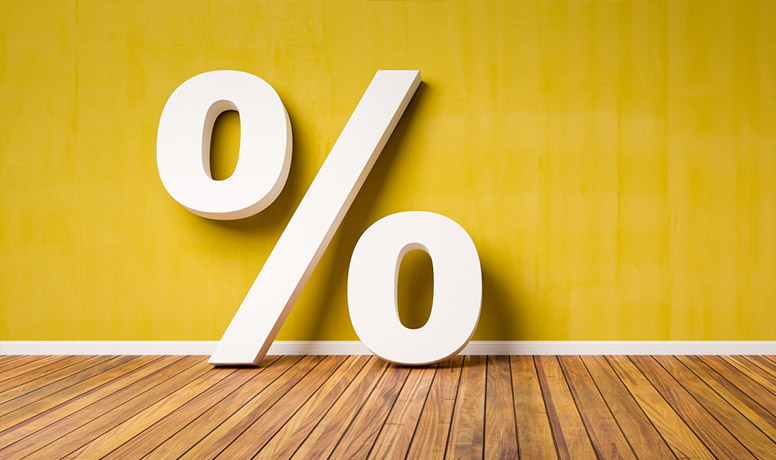
Some credit card companies will set your minimum payment at about 1% to 2% of your total balance, plus interest and any fees. It’s set up to keep your account active, but not to help you get out of debt quickly.
Compound Interest
Credit cards use compound interest, which means interest continues to build on the remaining balance month after month. When you pay only the minimum, most of that payment only goes toward paying down the interest. That means you’re never actually paying down the money you owe. In other words, you are paying to carry the debt, not really eliminating it.
This is where the type of credit card you carry really matters. Cards with higher interest rates make it even harder to get ahead when you’re only paying the minimum. Choosing a card with a lower rate or fewer fees, like a BrightBridge credit card, can make a noticeable difference over time.
The Minimum Due Trap
Minimum payments may seem attractive because they’re less out of pocket every month. And if money is tight, paying the minimum due may feel like the easiest way to balance your budget. It’s a short-term fix that can turn into a long-term issue.
I’ve heard comments like, “At least I’m not missing a payment.” And while that’s true, it can also give a false sense of progress, like you’re moving forward when the balance is barely changing.
Standing vs. Progress
Many people confuse the idea of not being late on payments with actually paying off that debt. While this keeps your account in good standing, it does not help pay off debt if your payments are just barely above the interest.
The Long-Term Cost of Minimum Payments
If you are tempted to only pay the minimum, think about the big picture. The real danger is how much time and money minimum payments can add to your debt. A balance that looks manageable today can become a long-term financial burden.
- Example: Let’s say you have a $5,000 balance on a card with an 18% interest rate. If you only pay the minimum, it could take you more than 20 years to pay off the debt. Over that time, you may end up paying far more than the original amount you charged.
That is the part people often underestimate. Making just the minimum payment is not a fast track out of debt; it’s more of a survival payment that stretches repayment over a very long period.
Why Paying More Actually Matters
Paying more than the minimum helps in two ways: First, more of your payment goes toward reducing the actual balance. Second, cutting down the balance quicker means you’re paying less interest in the future. Even a small amount above the minimum can shorten the payoff timeline and reduce the total cost of the debt.
Bottom Line on Minimum Due
Making just the minimum due payments keeps your account current, but it also prolongs your debt, making it more expensive. The longer you have a balance on a high-interest credit card, the more compound interest works against you. Unless, of course, you take action and pay more than the minimum.
Do one thing: Always aim to pay off your credit card balance in full each month. If not, make sure you are at least paying more than the minimum.
If you’re looking for a card that supports your financial goals with competitive rates, no annual fee and features designed to help you stay in control, learn more about BrightBridge’s credit card options here:
https://www.brightbridge.com/credit-card
Category: Budgeting & Debt Reduction
« Return to "Blog"



























.png)
.png)



.png)

.png)
.png)
.png)
.png)