Financial Awareness Day: 5 Ways to Check Up on Your Financial HealthBy Raquel Tolman on 8/4/2026Financial Awareness Day: 5 Ways to Check Up on Your Financial Health
Your financial health deserves a regular checkup. National Financial Awareness Day on August 14 is a great reminder to take a closer look at where you stand, review your goals and make sure your current money habits are working for you.
Just like a routine health checkup can help identify areas that need attention, a financial checkup can help you understand your spending habits, evaluate your savings and prepare for the future. Whether you’re building a stronger financial foundation or simply looking for ways to stay on track, taking time to review your finances can make a big difference.
1. Review your Monthly Spending
One of the best places to start is by looking at where your money goes each month. Compare your income with your monthly bills and daily spending to see if your current budget matches your financial goals. When I’ve done this myself, I’ve been surprised by how quickly small purchases—like regular visits to my favorite coffee shops—can add up when I take the time to actually look at my spending.
If you find yourself struggling to make it to the end of each pay period, take a closer look at your expenses. Small changes, such as reducing unnecessary subscriptions, cooking at home more often or finding ways to cut back on impulse purchases, can put more money back in your pocket (or savings account).
Making these changes doesn’t mean you can’t enjoy the things you love. It simply helps you make intentional choices with your money so that you can enjoy your passions stress-free. By making my morning coffee at home at least four days a week, I’ve saved more money than expected, and weekly trips to my favorite spots feel even sweeter.
2. Check Your Emergency Savings
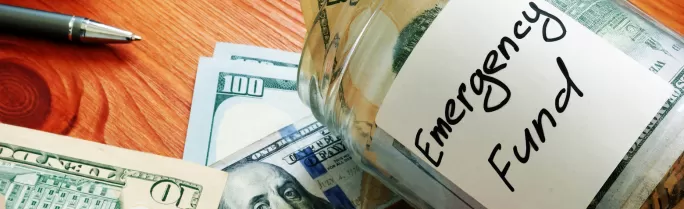
Unexpected expenses are a part of life, from car repairs and medical bills to changes in employment. An emergency fund can help provide a financial cushion when those moments happen.
Many financial experts recommend saving enough to cover three to six months of essential expenses, but the right amount depends on your personal situation. If building an emergency fund feels overwhelming, start small and set aside what you can. Even a little savings can provide added confidence.
Consider setting up automatic transfers to make saving easier. Treating savings like a regular expense can help you make progress toward your goal without even thinking about it!
3. Revisit Your Financial Goals
Your financial goals can change over time. Maybe you’ve shifted from paying debt to saving for your retirement, or from paying student loans to saving for your first home. National Financial Awareness Day is a great opportunity to check in and make sure your savings plan still matches your priorities.
For example, I’m currently saving for a trip to Asia, which means making intentional choices now to help reach that exciting goal later. Whether you’re saving for a big adventure, a new home or a luxurious retirement, having a specific goal can make it easier to stay motivated.
If you’ve received a raise, paid off a loan or experienced another major life change, consider how that may impact your goals and adjust your plan as needed.
4. Review Your Retirement Savings
Planning for the future starts with the steps you take today. Take a moment to review your retirement contributions and make sure you’re taking advantage of any employer-sponsored benefits that may be available to you.
If your employer offers a retirement match, check that you’re contributing enough to receive the full benefit. Even small increases to your contributions over time can make a big difference.
5. Make Sure You're Protected
A strong financial plan includes preparing for the unexpected. Review your insurance coverage, including health, life and disability insurance, to make sure your current protection still fits your needs.
Life changes, such as getting married, having children or changing jobs, may mean your coverage should be updated.
The Bottom Line
National Financial Awareness Day is a great reminder that staying financially healthy starts with knowing where you stand. Just as you might use a fitness tracker to monitor your physical health, BrightBridge's online and mobile banking platform can help you keep tabs on your financial wellness. With convenient tools that help you track spending, monitor savings progress, check your credit score and manage your accounts, it's easier than ever to understand your starting point and identify opportunities to improve. This Financial Awareness Day, take a few minutes to check in on your finances, you may be surprised by what you discover!
Visit www.brightbridge.com or open our mobile app to log in to your account and begin your checkup.
Frequently Asked Questions
Q: What is financial wellness?
A: Financial wellness is the ability to manage daily finances, prepare for unexpected expenses and make progress toward future goals. It involves developing healthy money habits that support both short-term needs and long-term financial security.
Q: How often should I review my finances?
A: Many financial experts recommend reviewing your finances at least once a month. Regular check-ins can help you track spending, monitor savings progress and make adjustments when your financial goals or circumstances change.
Q: What should I include in a financial checkup?
A: A financial checkup should include reviewing your budget, spending habits, emergency savings, debt, retirement contributions and financial goals. Taking time to evaluate these areas can help you identify opportunities to strengthen your overall financial health.
Q: How much should I have in an emergency fund?
A: The amount depends on your personal circumstances, but many people aim to save enough to cover three to six months of essential living expenses. Building an emergency fund gradually can help provide peace of mind when unexpected costs arise.
Q: How can I improve my financial health?
A: Improving your financial health often starts with small steps, such as creating a budget, reducing unnecessary expenses, increasing savings and paying down debt. Consistent habits over time can help build confidence and support long-term financial success.
Q: How much should I contribute to retirement savings?
A: The right amount varies based on your age, income and retirement goals. If your employer offers a retirement plan match, consider contributing enough to receive the full match, as it can help maximize your retirement savings.
Category: Budgeting & Debt Reduction
« Return to "Blog"
.png)

.png)
.png)