Good Money Habits to Teach Your TeensBy Raquel Tolman on 1/20/2026Good Money Habits to Teach Your Teens
The terrible teens. That’s the phrase, isn’t it? Your child’s teenage years are an incredibly important time for them to learn and grow as they prepare for adulthood. As your teenager starts to take on more independence, you can help them build confidence when it comes to managing money. While they might already know the basics, like saving allowance or comparing prices, now is when they can really start to understand how money works and how to make thoughtful financial choices. The habits they form today can shape their financial future for years to come.
Here are a few ways to help your teen develop strong money skills:
Learn How to Earn
When I think back to my teenage years, one of the most valuable lessons I learned was the importance of earning my own money. My first job taught me more than just how to show up on time, it showed me the effort it takes to earn a paycheck and the satisfaction that comes with it.
Encouraging your teen to get a part-time job, help with family tasks for pay or take on small side gigs like pet sitting or lawn care can teach them those same lessons. Once they start earning their own money, they begin to understand the value of their time and effort. I remember realizing how quickly a paycheck could disappear if I wasn’t careful and how much more meaningful every purchase felt when it came from my own hard work.
Learn How to Save
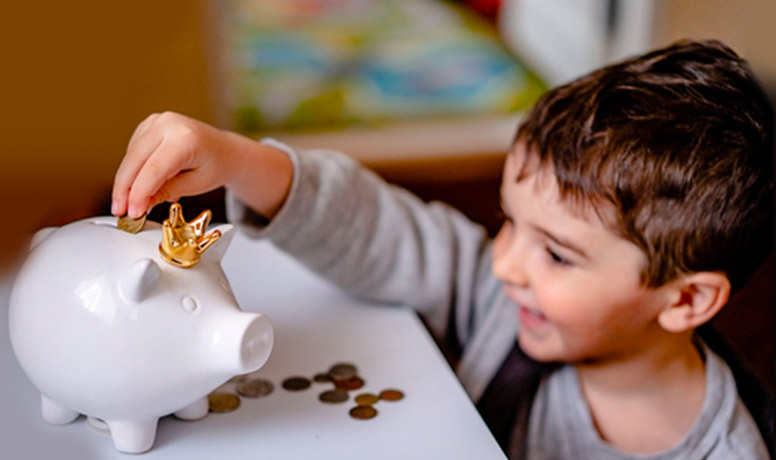
Saving money is a skill that takes time to build, but it’s one of the most rewarding lessons your teen can learn. I still remember the first time I set up my own savings account. Seeing the balance grow as I deposited each paycheck was not just motivating, it was exciting. It helped me understand that saving isn’t just about putting money aside, it’s about creating opportunities for the future. I felt the benefits of this lesson when I purchased my first car with the money I had saved up beginning with my very first job.
Encourage your teen to open a savings account where they can see their progress firsthand. BrightBridge offers several great options designed to help members of all ages develop strong saving habits. You can explore the different savings accounts available at brightbridge.com/savings.
It's also a good idea to show them how setting up automatic transfers makes saving effortless. A portion of each paycheck can go directly into savings before they have the chance to spend it, and they rest they can enjoy. Building that habit early can make a lasting difference in how they balance and manage money throughout their lives.
Learn How to Budget
Before your teen receives their first paycheck, take a few minutes to sit down together and create a basic budget. This step helps them understand where their money goes and how to balance what they earn with what they spend.
Encourage them to divide expenses into two simple categories, needs and wants. Needs might include gas, phone bills or school-related costs. Wants could be eating out with friends or a new pair of name-brand shoes. Be sure to include a section for savings too, so they get used to setting money aside first instead of treating it as an afterthought.
Learn to Set Goals
A budget becomes far more meaningful when it is tied to real goals. Talk with your teen about what they want to achieve financially, both short-term and long-term. Maybe they are saving for a car like I was, planning a summer trip or thinking ahead to college.
Clearly defined goals make it easier to stay motivated. When I began saving for college, my mom helped me set goals. We discussed my top schools, the programs I was drawn to and the costs associated with getting the degree I had planned to pursue for years. Seeing my progress step by step was a huge confidence booster. Goal-setting teaches teens patience, responsibility and how to plan for what matters most to them.
Ready to help your teen take the next step? Open a BrightBridge savings account and give them a head start on building lifelong financial confidence.
Learn More
Category: Saving & Investing Money
« Return to "Blog"

.png)



















 Header BlogHero.jpg)
























.png)
.png)



.png)
.png)

.png)
