International Fraud Awareness Week: Protecting Your Identity in a Digital WorldBy Raquel Tolman on 11/3/2026International Fraud Awareness Week: Protecting Your Identity in a Digital World
International Fraud Awareness Week is an important reminder that fraud can happen to anyone. As criminals continue to use increasingly sophisticated tactics, staying informed is one of the best ways to protect your personal information, finances and peace of mind.
Start with One Simple Rule:
Don't Click Links from Unexpected Emails or Text Messages
Whether it's a special offer, a package delivery update or an urgent account alert, fraudsters often use links to steal personal information or install malware on your device. Instead, visit a company's website directly by typing the address into your browser or using a trusted app.
Why Fraud Awareness Matters
Scammers are constantly finding new ways to target consumers. From phishing emails and fake online stores to text message scams and account takeovers, fraud schemes have become more convincing than ever.
The good news? A few proactive habits can dramatically reduce your risk.
Common Fraud Tactics to Watch For:
Phishing Emails and Fake Websites
Fraudsters create realistic-looking emails and websites designed to trick you into sharing passwords, account numbers or other sensitive information.
Red flags include:
- Urgent requests for immediate action
- Misspelled web addresses
- Generic greetings
- Requests for personal or financial information
Smishing: Fraudulent Text Messages
Text message scams continue to grow in popularity because they create a sense of urgency.
Be cautious of texts claiming:
- A package couldn't be delivered
- Your account has been locked
- You owe a toll or fee
- You've won a prize
If you're unsure whether a message is legitimate, contact the organization directly using a verified phone number.
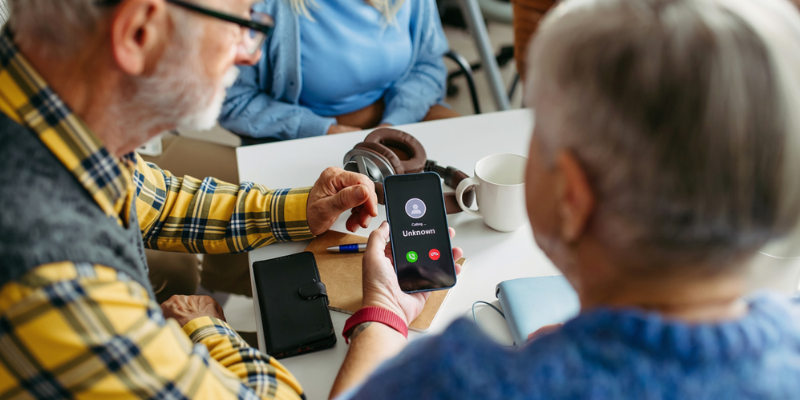
Phone Call Scams
Scammers often pretend to be from financial institutions, government agencies, utility companies or tech support providers.
Remember:
- Legitimate organizations won't pressure you to act immediately.
- Never share passwords, security codes or account credentials over the phone.
- If something feels suspicious, hang up and call the organization directly.
Smart Ways to Protect Yourself:
Freeze Your Credit
A credit freeze can help prevent criminals from opening new accounts in your name. Freezing your credit with the major credit bureaus adds an extra layer of protection and can be temporarily lifted whenever you need to apply for credit.
Enable Account Alerts
Set up transaction alerts for your debit and credit cards. Receiving notifications whenever a purchase is made allows you to spot unauthorized activity quickly and report it before further damage occurs. Most of us check our phones dozens of times a day. Why not let those notifications help protect your finances?
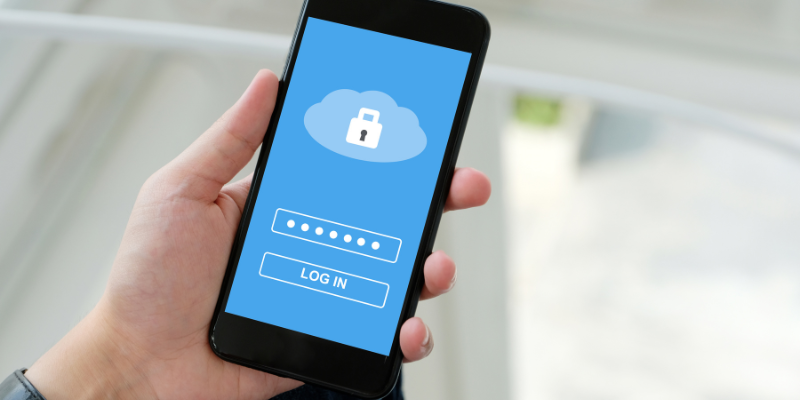
Use Strong Passwords and Multifactor Authentication
Protect online accounts with:
- Unique passwords for every account
- Password managers to securely store credentials
- Multifactor authentication (MFA) whenever available
Even if a password is compromised, MFA can help stop unauthorized access. I use Google MFA and this has helped me numerous times in notifying me when someone has tried to log into one of my accounts.
Monitor Your Accounts Regularly
Review your bank and credit card transactions frequently. The sooner fraudulent activity is identified, the easier it is to limit losses and resolve issues.
Secure Your Physical Cards
Identity theft doesn't only happen online.
Best practices include:
- Keeping cards in a secure wallet or card holder
- Avoiding carrying unnecessary cards
- Reporting lost or stolen cards immediately
- Never leaving cards unattended in public places
If You Think You've Been Targeted
Take action right away:
- Contact your financial institution.
- Change compromised passwords.
- Monitor account activity closely.
- Report suspicious activity to the appropriate authorities.
- Consider placing a fraud alert or credit freeze on your credit report.
Remember: BrightBridge will never ask for personal information over the phone, including debit card numbers, account numbers, passcodes or account balances. If you suspect fraud, call us directly at (800) 356-0067 to verify.
Frequently Asked Questions
Q: What is International Fraud Awareness Week?
A: International Fraud Awareness Week is a global effort to educate consumers and organizations about fraud prevention, identity theft, cybercrime and financial scams. It encourages people to learn how to recognize fraud risks and take steps to protect themselves.
Q: What is identity theft?
A: Identity theft occurs when someone steals your personal information, such as your Social Security number, account details or passwords, and uses it without your permission to commit fraud.
Q: How do account alerts help prevent fraud?
A: Account alerts notify you when transactions occur on your debit or credit card. These real-time notifications can help you quickly spot unauthorized activity and report it before additional fraud occurs.
Q: Can scammers use artificial intelligence (AI) to target consumers?
A: Yes. Some fraudsters are using AI to create more convincing emails, text messages, fake websites and even voice recordings that sound like real people. Always verify requests involving money or personal information through a trusted source.
Q: What's the best defense against fraud?
A: A combination of awareness, skepticism, and good security habits. Taking a moment to verify a request before responding can prevent many common scams.
Category: Blog Slideshow
« Return to "Blog"


.png)
.png)

.png)